Revitalize Your Space: Top Painting Services to Improve Your Home's Appearance
Giving a home a new life through painting can significantly enhance its aesthetic appeal. The selection of colors is vital in affecting feelings and perception. Professional painting companies provide a variety of techniques tailored to individual preferences. Knowing these options and their implications is crucial. When homeowners think about a transformation, questions about budgeting and planning naturally arise. What points will lead to a successful project? The answers may surprise you.
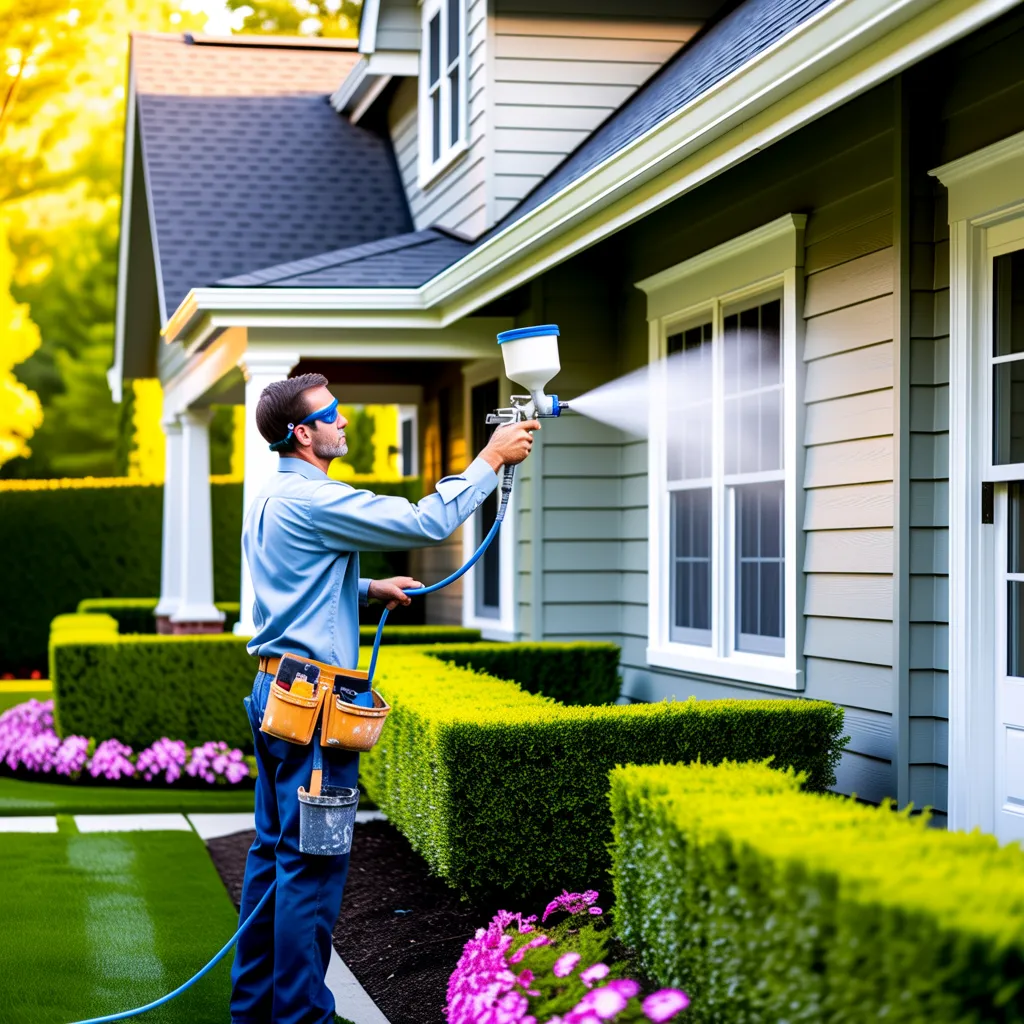
Understanding the Effect of Color on Mood and Space
How might color determine one's recognition of setting and emotions? Colors play an fundamental purpose in establishing human experiences and feelings. For instance, intense hues like red and orange can evoke liveliness and friendliness, making a room feel inviting. In contrast, soothing shades such as blue and green often promote quietude and leisure, magnifying the sensation of locale.
The choice of color can also affect the emotional state of occupants. Vibrant shades may encourage creativity and happiness, while deeper colors can establish a sense of warmth or sadness. Additionally, lighter colors tend to reflect more illumination, causing rooms appear bigger and more spacious, while darker shades can produce an intimate environment. Therefore, understanding the psychological effects of pigment assists people make informed decisions when planning their home spaces, ultimately improving ease and wellness.
Finding the Best Painting Company Matched to Your Preferences
Determining the suitable paint service can profoundly impact the final result of a home transformation. Residents should start out by assessing their unique needs, including the scale of the endeavor and preferred finishes. Studying local painting contractors is essential; reviews and testimonials can deliver insight into a company's reliability and quality of work.
Furthermore, prospective clients should ask for estimates to evaluate pricing and services offered. This step aids in comprehending what is included, such as prep work, supplies, and guarantees. It is also advisable to ask regarding the painting contractors' background and whether they are licensed and insured, guaranteeing peace of mind during the project.
Lastly, effective communication is essential. A reputable painter should be responsive to questions and preferences, creating a cooperative setting that aligns with the property owner's goals. By thoroughly assessing these factors, property owners can choose a painting company that satisfies their aesthetic goals and budget.
Popular Art Techniques to Enhance Your Home
Across the landscape of home painting, numerous techniques can markedly enhance aesthetic appeal. Accent walls, faux finishes, and color blocking offer unique ways to refresh spaces and convey personal style. Assessing these options can foster a more vibrant and inviting home environment.
Accent Wall Decorating Ideas
Accent walls have become a popular method to add richness and style to interior spaces. Homeowners are experimenting with various concepts to make a bold impact, often choosing vibrant colors or unique patterns. One common method is the use of geometric shapes, which can bring a modern and vibrant feel. Alternatively, nature-inspired hues can evoke tranquility, making spaces feel calm and welcoming. Textured finishes, such as shiplap or brick, can also add visual appeal and comfort. For a sophisticated touch, metallic paints can lend an elegant sheen, uplifting the overall decor. These design choices not only boost the aesthetic but also show the homeowner's distinctive style, making accent walls a versatile option for modern interiors.
Artificial Surface Methods
There is a range of faux finish techniques that can transform ordinary walls into impressive focal points which replicate more costly materials. Techniques including sponging, rag rolling, and venetian plaster form an effect of texture and depth, enhancing visual interest. For example, sponging entails applying a base coat followed by a different color with a sponge, producing a soft, layered effect. Rag rolling, alternatively, utilizes a rolled-up rag to form a unique pattern, bringing character to any room. Venetian plaster provides a elegant look, commonly found in upscale interiors. By incorporating these techniques, homeowners can get a luxurious aesthetic without a hefty price tag, making faux finishes a popular choice for enhancing home decor.
Color Organization Frameworks
Color blocking notably captures attention in modern interior design, presenting a bold way to establish spaces and communicate individuality. This technique employs using two or more contrasting colors in a single area, generating visual interest and a dynamic atmosphere. Homeowners can utilize color blocking deliberately, such as painting an accent wall or dividing walls into geometric sections. Opting for complementary colors improves the overall aesthetic, while choosing shades from the same palette can create a more subtle effect. It's essential to consider room size and lighting, as these factors determine how colors interact. By implementing color blocking, homeowners can convert mundane walls into striking focal points, enhancing their home's aesthetic and personal style.
Sustainable Painting: Eco-Friendly Choices You Should Think About
Many homeowners are increasingly looking for environmentally responsible paint choices that reduce ecological footprint while improving the aesthetic appeal of their homes. Eco-friendly paints, such as aqueous and low-VOC (volatile organic compounds) types, are gaining popularity. These choices lower harmful emissions and support better air quality indoors.
Natural pigments, derived from minerals and plants, provide vibrant colors without synthetic additives, catering to those who prioritize organic materials. Additionally, recycled and repurposed paint products are becoming more accessible, allowing for creative applications without compromising sustainability.
Beyond paint, utilizing eco-conscious tools, such as bamboo brushes and rollers made from recycled materials, further supports green practices. Homeowners are encouraged to contemplate the lifecycle of their chosen products, opting for those that offer strength and extended lifespan. By selecting sustainable painting options, individuals not only improve their home's aesthetic but also contribute positively to environmental preservation.
Tips for Controlling Your Painting Costs
Selecting environmentally friendly paint options is only one element of transforming a home. Budgeting effectively for a painting assignment is just as important. Homeowners should start by reviewing the extent of the project, which includes measuring the areas to be painted and determining the number of rooms involved. Then, they should look into the cost of materials, including eco-friendly paints and required supplies.
Labor expenses can shift widely, so soliciting multiple quotes from local contractors is prudent. It is imperative to create a contingency fund, typically 10-15% of the see the details total budget, to address unforeseen expenses that may surface during the project.
To summarize, property owners should set their preferences and direct their finances correctly, ensuring that essential spaces get necessary consideration while maintaining financial limits. By intentionally planning and weighing all variables, property owners can execute a stunning transformation without overstretching their finances.
Core Points to Address With Your Paint Professional?
When hiring a painting service, homeowners often question what key inquiries can guarantee an informed decision. Asking about the contractor's skills and background is vital; asking how many related jobs they have completed can demonstrate their competency. Homeowners should also ask for clarification on the paint types and supplies they suggest, since top-tier materials can significantly impact the longevity of the project. It’s necessary to go over the project timeline and the anticipated start and completion dates. Furthermore, knowing the billing process, including any upfront costs and final fees, can help prevent unexpected charges. Homeowners should not hesitate to request references or examples of past work, ensuring they are happy with the contractor's style and reliability. Lastly, discussing guarantee choices and the range of after-completion support can provide peace of mind, securing the project is covered for the future.
Arranging Your Painting Task: Recommendations for an Easy Outcome
Planning a paint undertaking can seem intimidating; however, with careful organization and preparation, homeowners can assure a smooth experience. First, picking the correct color is essential; employing color swatches can help visualize the final outcome. Next, it is important to clear the area of furniture and decor to facilitate easy access and protect belongings from paint splatters.
Property owners should also consider the timing of the project. Scheduling during favorable weather conditions can improve paint adhesion and drying time, particularly for external work. Also, establishing a structured schedule for the undertaking can keep everything on track.
To summarize, procuring quality materials is necessary. Directing resources toward high-quality paint and tools can significantly shape the aesthetic and endurance of the job. By utilizing these pointers, homeowners can expedite their painting process, transforming their space efficiently while delighting in the process.
Common Questions Posed
What Duration is Required for a Average Residential Painting Task?
A conventional residential painting project usually takes between three to seven days, depending on factors including the size of the space, the number of rooms, and the complexity of the painting work involved.
What Types of Paint Coatings Are Offered?
Various coating options are available, including matte, eggshell, satin, semi-gloss, and gloss. Each option offers distinct characteristics, impacting durability and sheen, allowing homeowners to select based on their visual tastes and functional needs.
Can I Stay at My House During the Painting Process?
Yes, a person can stay home during the painting job. However, it may be advisable to maintain distance from the work zone to prevent fumes and ensure a smooth workflow for the painters.
How Can I Get My Home Ready for Paint Application?
Readying a home for paint work demands that one remove furniture, protect floors, clean surfaces, repair any damage, and mask edges. Adequate ventilation and arranging supplies enable a more efficient painting experience.
What will happen if I'm not content with the results?
In the event that dissatisfaction occurs, the homeowner ought to raise concerns with the painting service. Numerous trusted companies deliver finishing touches or refinements to achieve expectations, ensuring a satisfactory result and upholding their commitment to high-caliber customer service.